


I often drive through the farmlands of Southern Kentucky and Northern Tennessee and can’t help but admire the vast stretches of greenery that have sustained generations of farmers and communities. These fields, rich with history and tradition, are a testament to the resilience and ingenuity of American agriculture. However, as an investment professional constantly seeking forward-thinking opportunities, I ponder the future of these lands and the evolving landscape of agriculture.
The world is changing rapidly, and so is the way we produce our food. Climate change, resource scarcity, and a growing population are putting unprecedented pressure on traditional farming methods and has soon risen to a new fascinating and transformative industry: indoor hydroponic agriculture.
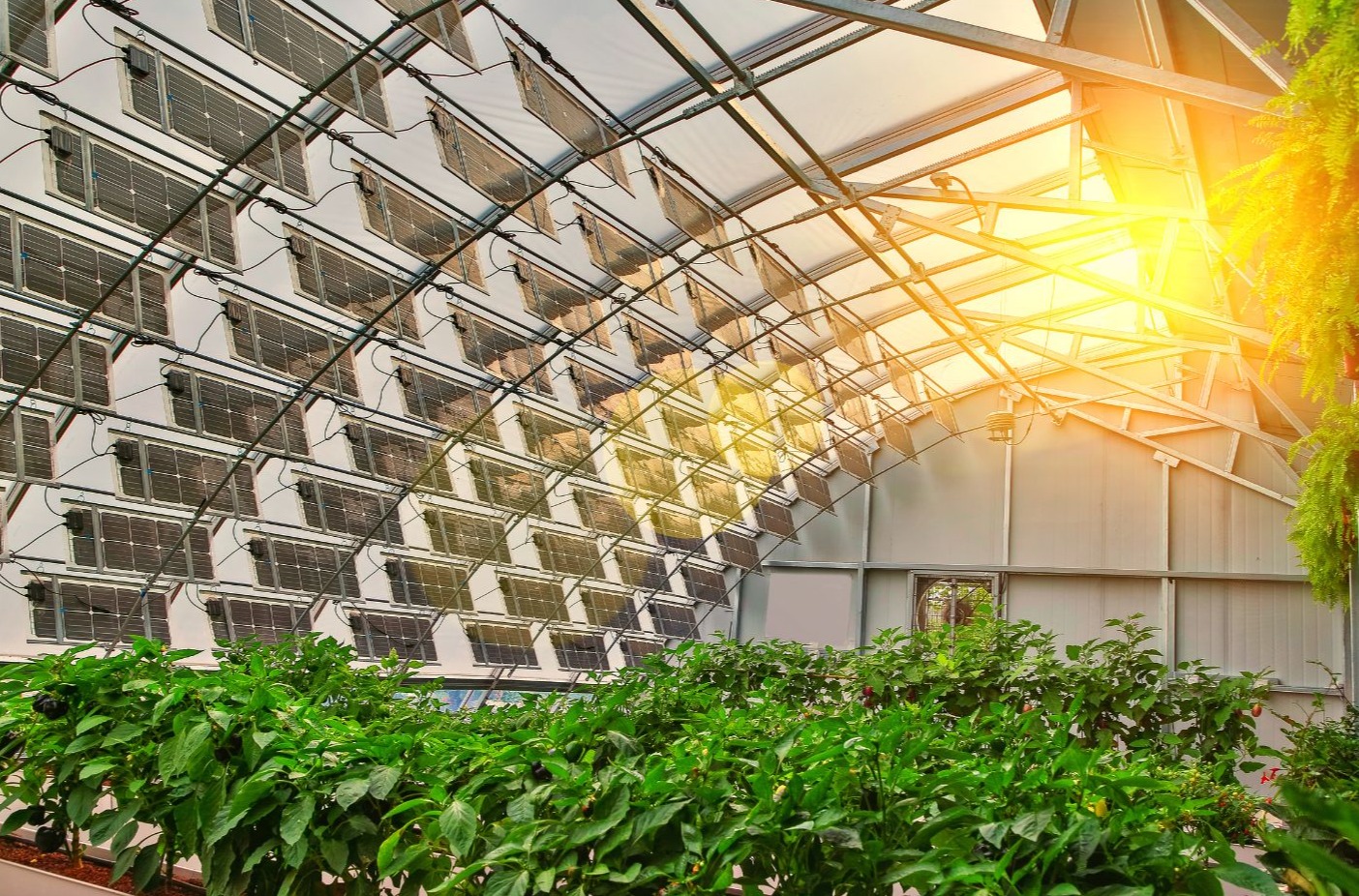
Hydroponics is the practice of growing plants without soil in nutrient-rich water, offers a revolutionary approach to farming. This method can produce higher yields with less water and land, making it an attractive solution for sustainable agriculture. As I envision the endless rows of leafy greens, herbs, and vibrant vegetables that could be grown indoors, I not only wonder how our farming communities will ultimately be impacted, but I also consider the potential environmental and economic impacts this technology will have.
Potential Opportunities in Indoor Hydroponic Farms:
- Resource Efficiency
- Water Conservation: Hydroponic systems use up to 90% less water than traditional farming. In regions where water scarcity is a growing concern, this efficiency is invaluable.
- Space Optimization: Vertical farming techniques allow for the cultivation of crops in stacked layers, maximizing the use of available space and enabling high-density production in urban areas. Imagine entire skyscrapers being used not for offices, but for farms.
- Consistent Quality and Yield:
- Controlled Environment: Indoor farms are shielded from the unpredictability of weather, pests, and diseases, ensuring consistent and reliable crop production year-round.
- Pesticide-Free Produce: The controlled environment eliminates the need for harmful pesticides, promoting healthier and safer food.
- Sustainability:
- Reduced Carbon Footprint: By localizing food production, indoor farms can reduce the need for transportation and its associated emissions.
- Nutrient Management: Precise control over nutrient delivery enhances plant growth and quality, resulting in superior produce.
Long-Term Implications for Land Development and Valuations
As indoor hydroponic farming gains traction, we can anticipate significant shifts in land use and property valuations. Traditional farmland may be repurposed for residential, commercial, or recreational developments as urban centers expand, and rural areas become less dependent on agriculture. Investors may be able to seize opportunities in both the emerging indoor farming sector and the evolving real estate market.
- Urban Redevelopment: The rise of vertical farms in urban settings could lead to the repurposing of old warehouses, factories, and underutilized buildings, driving urban revitalization and boosting property values.
- Rural Transformation: As demand for traditional farmland decreases, rural areas may see a shift towards eco-tourism, renewable energy projects, and other innovative land uses, creating diverse investment opportunities.
Conclusion
When driving through the heartland of Southern Kentucky and Northern Tennessee, it's hard to imagine that the agricultural landscape is on the brink of a new era. Indoor hydroponic farming represents a tectonic shift in how humans grow our food and aligns with the global trends towards sustainability and resource efficiency. This burgeoning sector may not only provide investment opportunities but may also contribute to a more resilient and sustainable future for our planet.
Because of their narrow focus, investments concentrated in certain sectors or industries will be subject to greater volatility and specific risks compared with investing more broadly across many sectors, industries, and companies.